Real or fake Rolex? Serial number, year of manufacture and the tell-tale signs
There is no single sign that always gives away a fake Rolex. There are about ten you can check yourself, though, and together they say a lot. They do not give certainty: that only comes when a watchmaker opens the case.
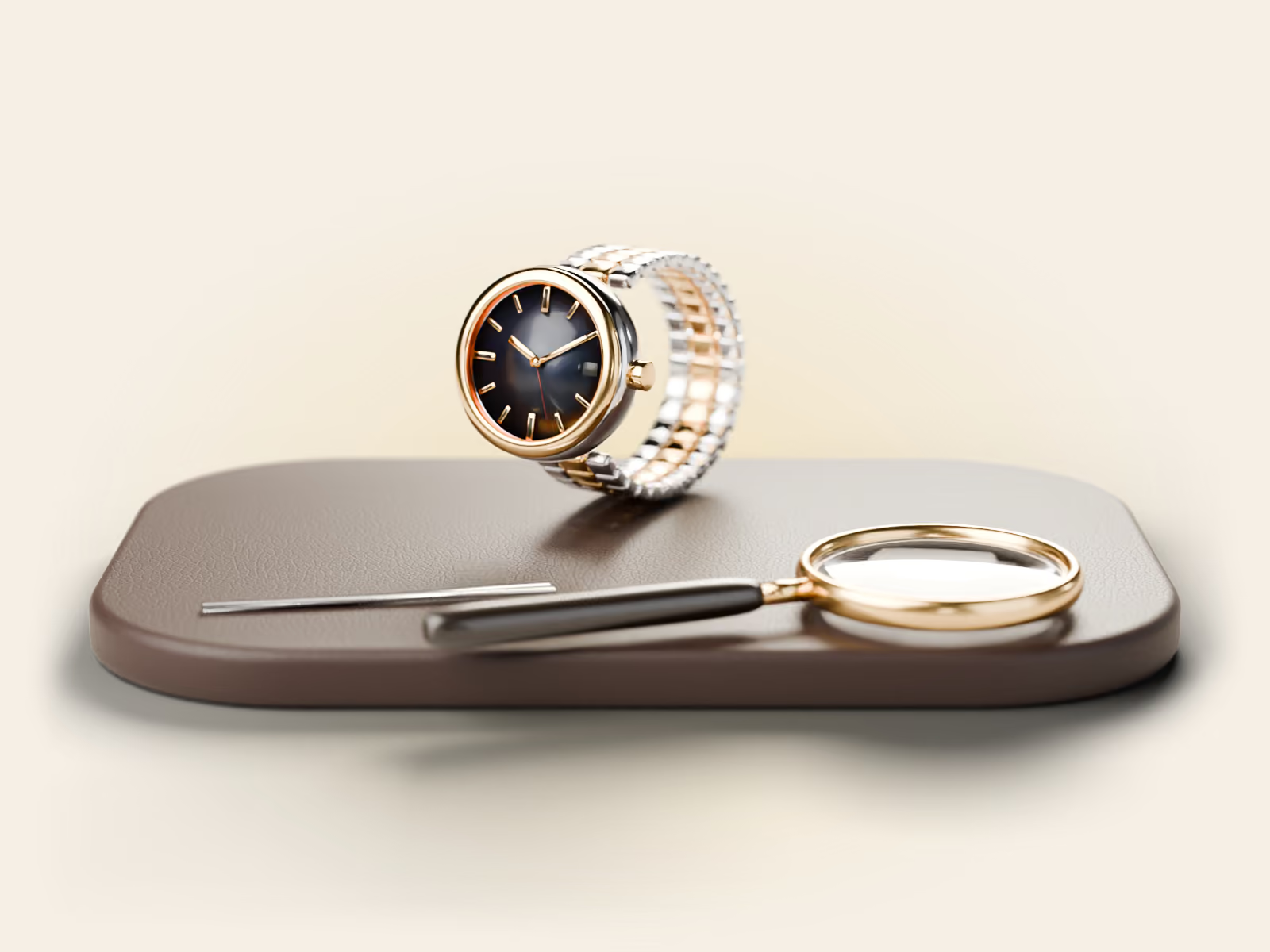
Where the serial and reference numbers are
A Rolex has two numbers. The reference number tells you which model it is; the serial number is unique to that one watch. On older Rolex watches both are found between the lugs, under the bracelet: the reference at 12 o’clock, the serial number at 6 o’clock. Reading them means removing the bracelet, which is best left to a watchmaker.
Since the mid-2000s the serial number has also been engraved on the inner ring around the dial, at 6 o’clock, among the repeated word ROLEX. You can read it with a loupe without taking anything apart.
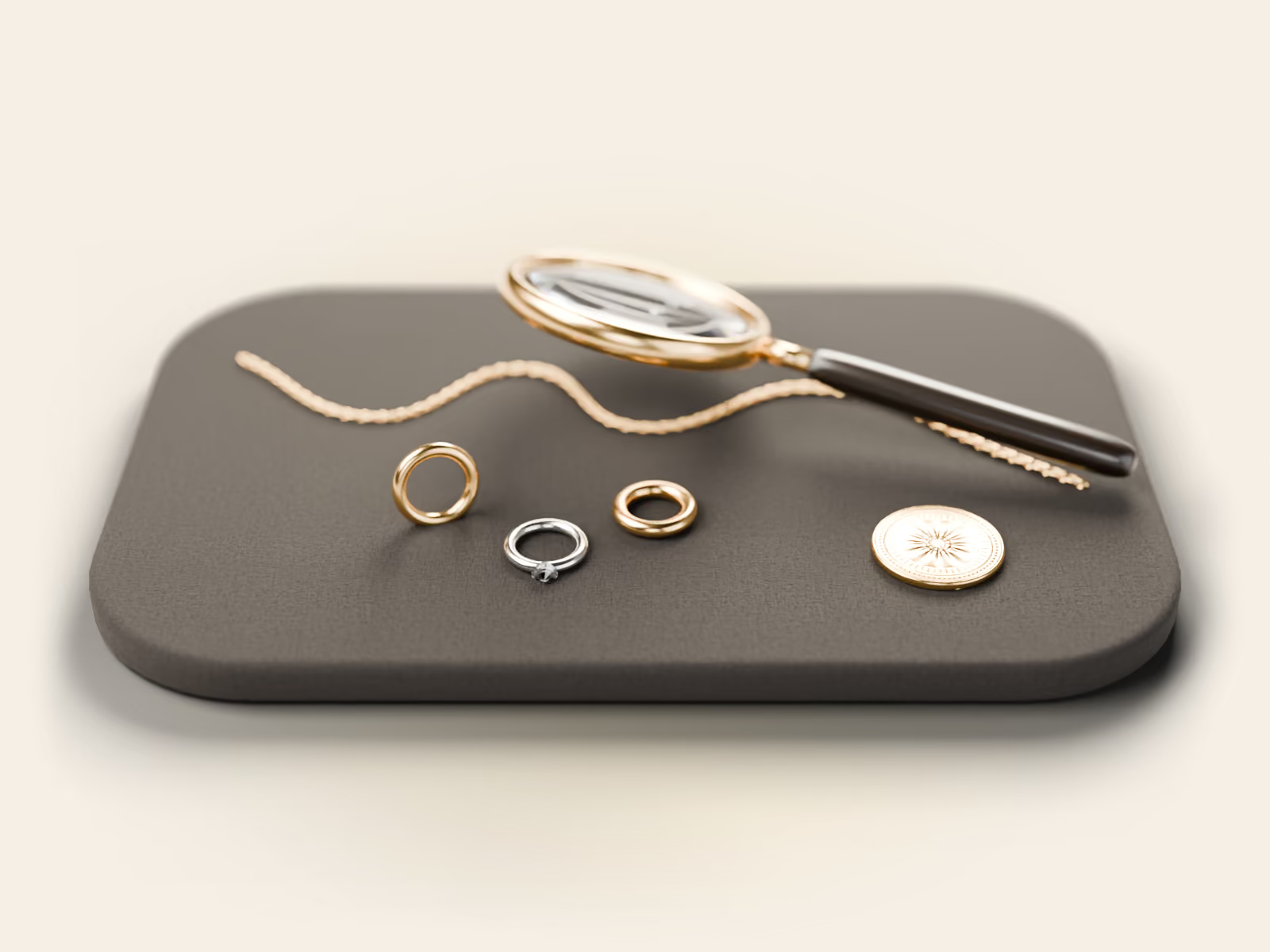
Working out the year from the serial number
Until the late 1980s serial numbers simply ran upwards, and the year can be roughly deduced from the figure. After that a letter was added at the front, standing for a period. Since around 2010 Rolex has issued random serial numbers that no longer reveal the year.
Rolex itself offers no public serial number lookup. The tables online have been compiled by dealers and collectors and give an estimate. With a modern watch the warranty card with the date of sale is the most reliable source.
No two watches share a serial number. Counterfeiters often use a number they have seen somewhere. A serial number that does not fit the reference or the version is therefore a clear warning sign.
What the reference number means
The reference number tells you more than the model. The first digits stand for the model family and the generation, the last digit usually for the material: 0 for steel, 3 for steel and yellow gold, 8 for yellow gold, 9 for white gold and 6 for platinum. Letters after it often refer to the bezel, such as LN for a black ceramic bezel.
If what you see does not match the reference – a steel case with a reference that points to gold, say, or a dial that was never made in that version – something is wrong. That may be a fake, but it may also be a watch with replaced parts. Both lower the value.
Signs you can check yourself
- The seconds hand – an automatic Rolex moves in small, smooth steps; a hand that ticks once a second points to a quartz movement, which a modern Rolex does not have
- The date magnifier – the Cyclops lens over the date clearly enlarges it, and the date sits exactly in the centre
- The dial – lettering sharp and evenly printed, indices straight and free of glue residue
- The crown in the crystal – on modern models a tiny crown is etched into the sapphire crystal at 6 o’clock, visible only under raking light
- The caseback – almost all Rolex watches have a solid steel caseback; a glass back showing the movement is usually wrong
- Weight and bracelet – a genuine Rolex feels heavy and solid, and the clasp closes tightly and is neatly stamped
Why certainty only comes at the table
Today’s good fakes pass many of the checks above. They have an automatic movement, an engraved inner ring and a reasonable weight. What they almost never get right is the inside: the movement, the finishing of bridges and screws, the engravings and the numbers on the parts.
That is why our watchmaker in Eindhoven opens the case of every Rolex. He compares the calibre with what belongs to the reference and checks whether parts have been replaced. Only then do you know for sure. You watch along, and the check is free, even if you then decide not to sell.
If you want to know what your Rolex is doing in the trade, our page on selling a Rolex explains what the offer is based on.
- Selling a gold watch: gold value or watch value?With a gold watch from a lesser-known brand the gold is often the price; with a sought-after brand it is the watch. How to tell which applies to yours, and how much of the weight is actually gold.Read on
- Selling gold at home: how to recognise a genuine valuerA buyer who rings your doorbell unannounced is not a valuer. Six signs of a trustworthy home visit, and what to do if something is not right.Read on
- Why you have to show ID when you sell goldYou cannot sell gold anonymously to an honest buyer. Which law is behind it, which documents to bring and what happens to your details.Read on
Questions about Real or fake Rolex
Can I look up my Rolex serial number online?
Not with Rolex itself, because the brand has no public database. The tables online have been compiled by dealers and collectors and give an estimate of the year, but say nothing about authenticity. A valid-looking serial number may have been copied by a counterfeiter; no two watches share the same number, so a number that does not match the reference or the version is a warning sign. On older models the serial number sits between the lugs at 6 o’clock, under the bracelet. Since the mid-2000s it has also been engraved on the inner ring at 6 o’clock, readable with a loupe.
My Rolex ticks once a second. Does that make it fake?
With an ordinary modern Rolex, almost certainly yes. A modern Rolex has an automatic movement, and the seconds hand moves in small, smooth steps; a hand that ticks once a second points to a quartz movement. In the 1970s Rolex did make a few quartz models, the Oysterquartz, but they are rare and recognisable. If an ordinary Submariner or Datejust ticks once a second, it is almost certainly a fake. Conversely, a smooth seconds hand proves nothing: good fakes nowadays have an automatic movement too. Certainty only comes when our watchmaker opens the case and compares the calibre with what belongs to the reference.
How do I find out the year my Rolex was made?
For watches from before around 2010 the serial number gives an estimate. Until the late 1980s the numbers simply ran upwards; after that a letter was added at the front that stood for a period. Since around 2010 Rolex has issued random serial numbers that no longer reveal the year; then the warranty card with the date of sale is the most reliable source. Rolex itself offers no public lookup, and the tables online only give an estimate. Our watchmaker at the head office in Eindhoven can often also deduce the period from the version and the parts. Bring the warranty card and any box and papers to the valuation.
Can I open my Rolex myself to look at the movement?
Better not. The screw-down caseback needs special tools, and a slip leaves scratches that lower the value; the water resistance can suffer as well. It is also better not to remove the bracelet yourself to read the numbers between the lugs. What you can check without tools: on newer models the serial number on the inner ring at 6 o’clock, the cyclops over the date, the dial, the tiny crown in the crystal and the weight. Leave the movement to a watchmaker. At XGOUD our watchmaker at the head office in Eindhoven opens the case while you watch, free of charge and without obligation.
What does an authenticity check at XGOUD cost?
Nothing. The check is part of the free valuation without obligation, even if you do not sell afterwards. Our watchmaker at the head office in Eindhoven opens the case of every Rolex while you watch, compares the calibre with what belongs to the reference and checks whether any parts have been replaced. He then tells you what he sees and what an offer would be based on. You decide for yourself whether to sell, and you only sign once you know the amount. Bring valid ID and, if you have them, the warranty card, box and papers.
Is your question not listed? Ask it below, call 085 060 3009 or go to contact.
Still something unclear?
Ask it here. You will receive a personal reply by email, usually within one working day – no automated message and no phone call you did not ask for.
- An answer from a valuer, not from a template
- We keep your question so that you need not repeat anything
- No sales pitch afterwards
Sources
Where you can verify what you have just read.
- LBMAThe London gold and silver price our daily rate is built on
- WaarborgHollandThe Dutch assay office that verifies fineness and strikes hallmarks
Rather just have it looked at?
A valuation is free and without obligation, at a location near you.